Scientists at TSC SB RAS make composite coatings five times more wear-resistant
Researchers from Tomsk Scientific Center SB RAS have proposed a promising method for the controlled formation of borides in the surface layers of titanium during electron-beam processing. The technique allows fine-tuning the structure (hence the properties) of the resulting coating. The approach, which could benefit medical device manufacturing and industrial tooling, increases coating wear resistance by more than fivefold under optimal conditions. The findings were published in the journal Vacuum .
According to Evgeniy Yakovlev, a researcher at the Laboratory of Advanced Technologies, there are currently two main approaches to creating composite materials (coatings being no exception): ex situ and in situ. The ex situ approach involves producing a composite by directly mixing pre-made reinforcing particles with a matrix, while the in situ approach implies synthesizing the reinforcing particles directly within the matrix. The in situ method offers several important advantages.
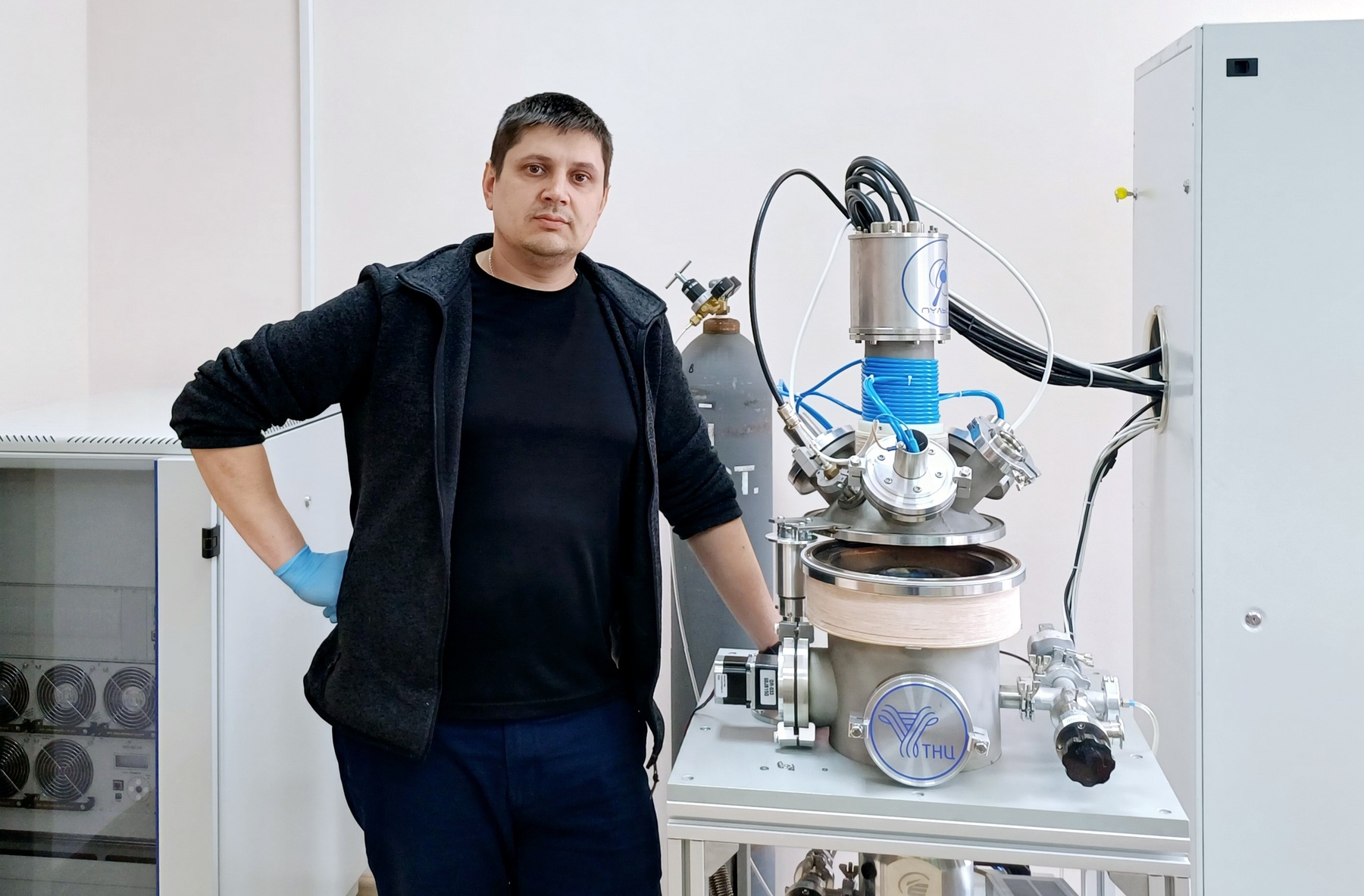
– Among these advantages are stronger bonding between the matrix and reinforcing phase, improved thermodynamic stability, and fewer structural defects, all of which will ultimately add the overall strength of the coating. However, when using electron-beam irradiation, the controllability of the formation of the desired boride particles within a titanium matrix is hard to achieve. The novelty of our work lies in demonstrating that this is doable nonetheless, – explains Evgeniy Yakovlev.
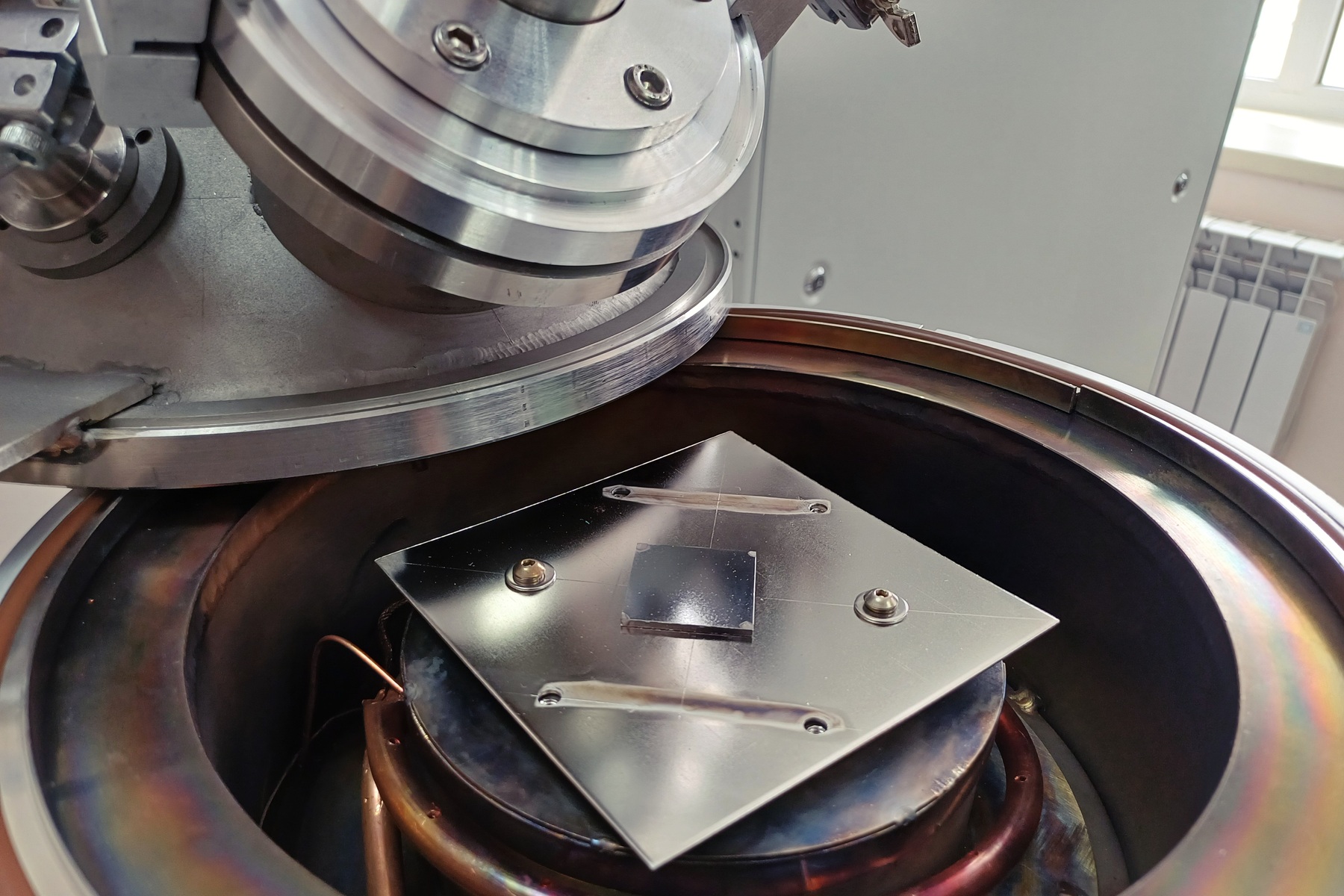
The coating is produced by sequentially depositing boron-containing and boride-forming thin films onto a titanium substrate, layer by layer, much like a cake. Pulsed electron-beam irradiation then melts the films and triggers the formation of titanium diboride particles within the surface layer. Repeating the cycle builds a nanocomposite coating composed of a titanium matrix reinforced with nanoscale titanium diboride particles.
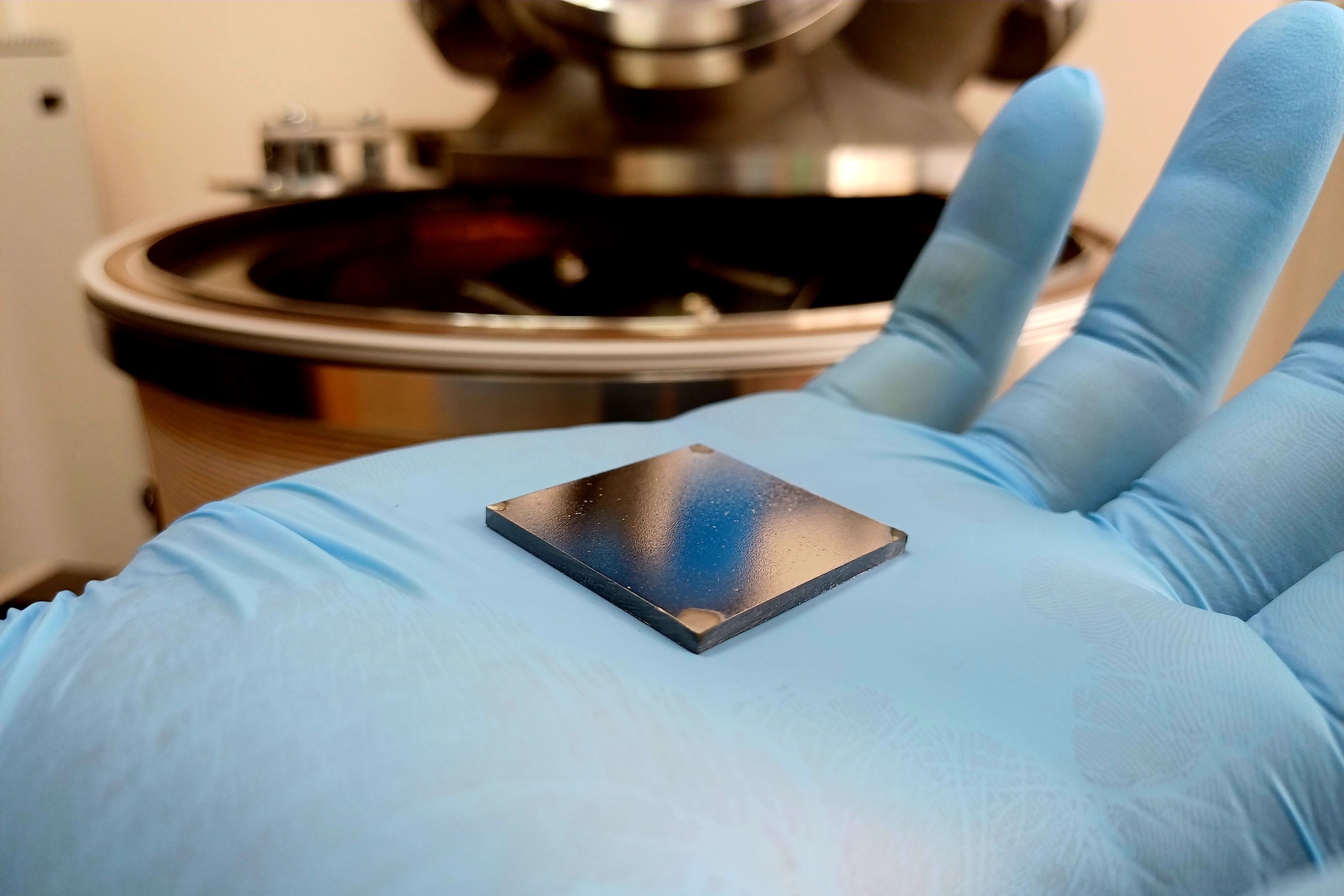
By varying processing conditions, the researchers identified an optimal energy density of 3.5 J/cm². Under these conditions, the coating contained the highest concentration of TiB₂ nanoparticles—up to 100 nanometers in size—resulting in a fivefold improvement in wear resistance. At higher energy densities (4.5–5.5 J/cm²), excessive melting of the substrate occurs, altering the titanium-to-boron ratio in the surface layer. As a result, the boride content drops by a factor of two to three, leading to an expected reduction in wear resistance.
The researchers plan to expand the work by investigating how various dopants in titanium substrates influence boride formation and by exploring the synthesis of borides based on other metals as well as more complex boride systems.
© TSC SB RAS Press Service

