TSC SB RAS develops photocatalyst that rids wastewater of methylene blue in 30 minutes under visible light
Scientists at Tomsk Scientific Center of the Siberian Branch of the Russian Academy of Sciences have developed a new iron-based ceramic photocatalyst that is meant to remove methylene blue from wastewater. The study published in Surfaces and Interfaces says the catalyst produced via the method of self-propagating high-temperature synthesis (SHS) is capable of completely removing this hazardous organic dye in as little as 30 minutes under visible light and 60 minutes under UV radiation.
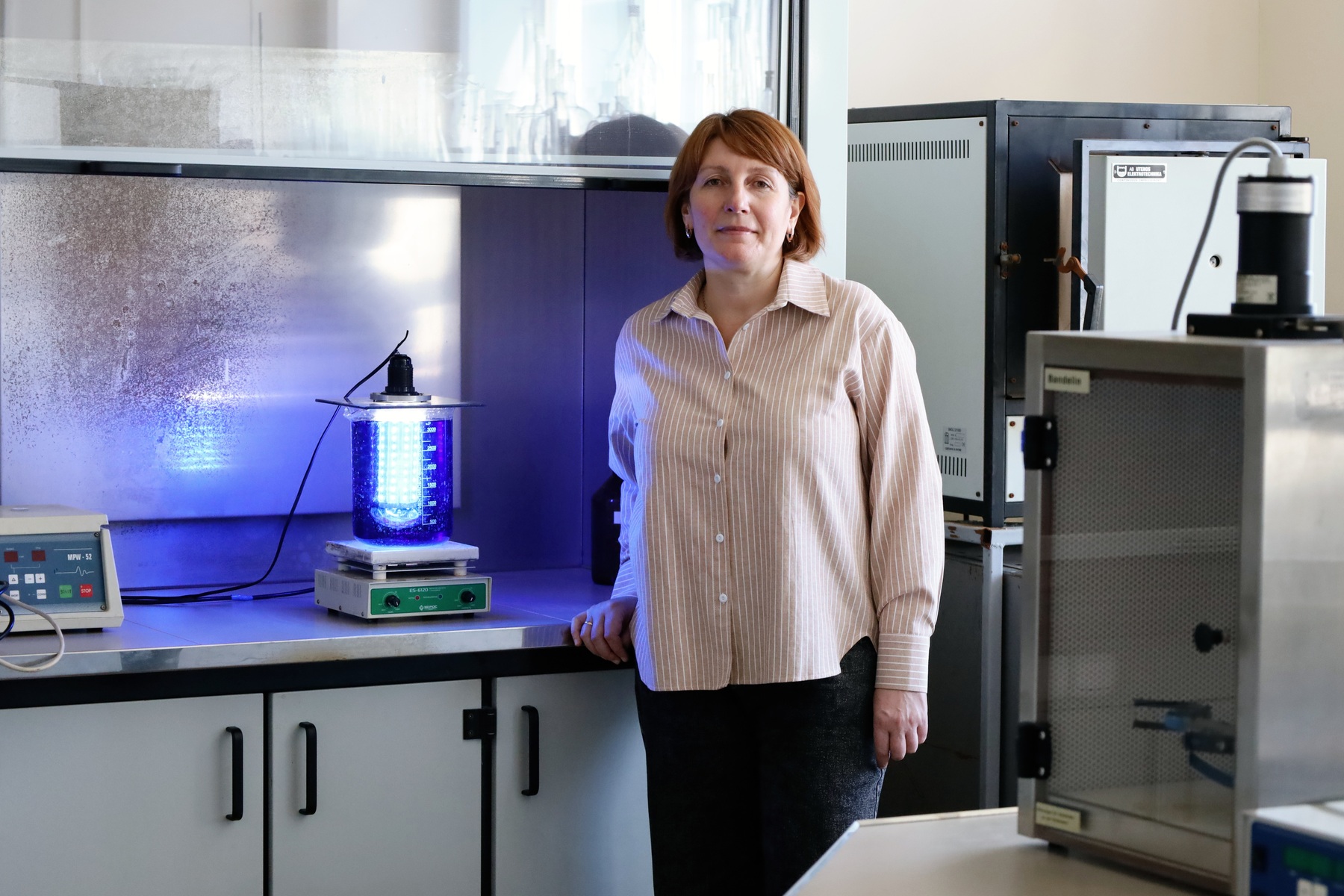
– The new photocatalyst offers a number of advantages over traditional treatment approaches. These include high purification rates and a simple one-stage process that does not require repeated treatments or filtration. The method is also cost-effective because the catalyst is produced from inexpensive, readily available raw materials. Its main component, ferrosilicon, is actually an industrial byproduct. Furthermore, the photocatalyst is environmentally safe because, unlike homogeneous Fenton reagents, it operates at neutral pH values and avoids the production of secondary iron-sludge waste, – said Olga Kryukova, Ph.D. in Engineering Science and senior researcher at the Laboratory of Functional Ceramic Materials of TSC SB RAS.
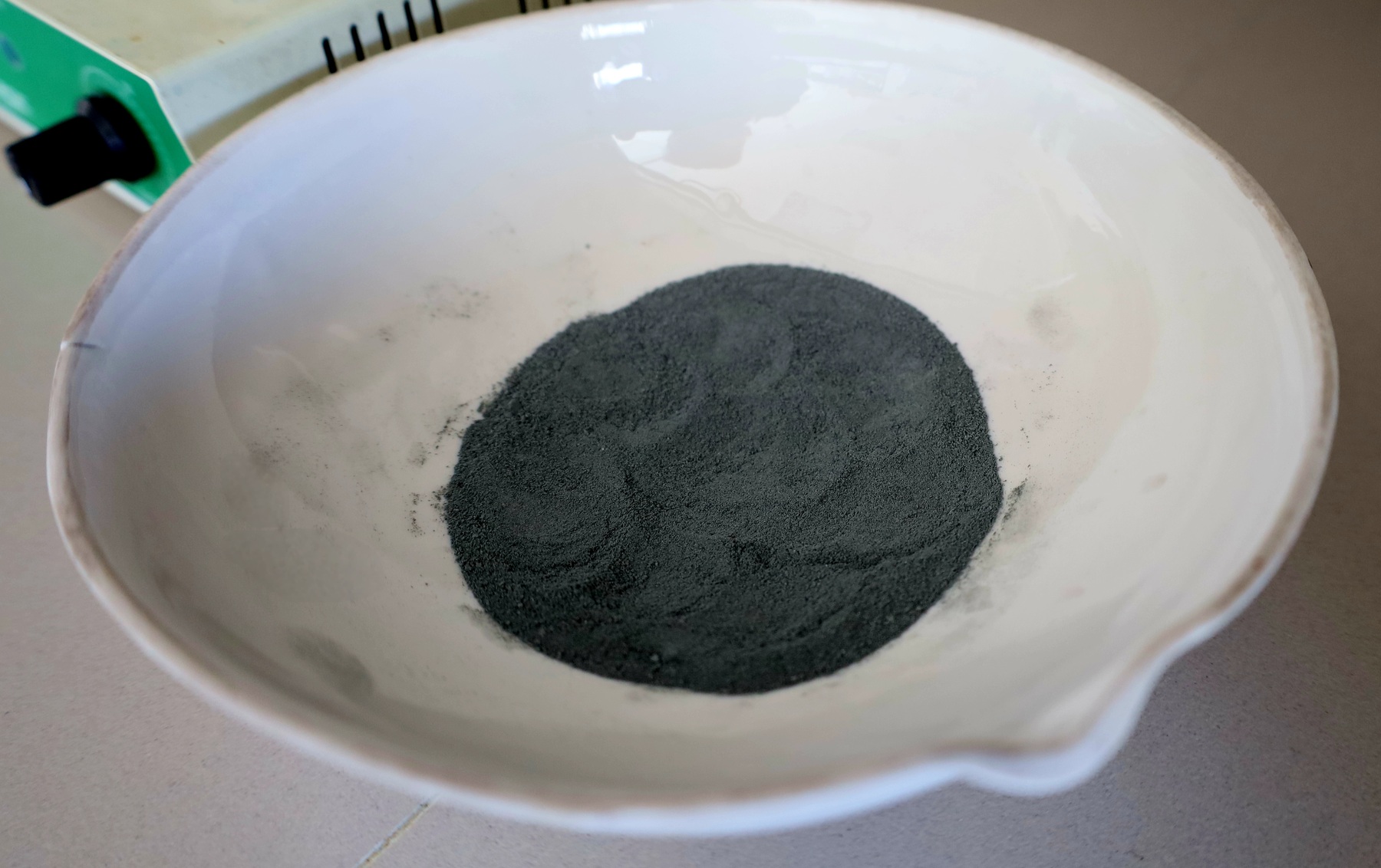
The catalyst is synthesized in a cylindrical gas-permeable tube where the pre-dried mixture of ferrosilicon and shungite powders are subjected to nitriding under high pressure. The sample is then ignited using a combustive agent and a molybdenum coil under electric current. The combustion wave hits 2000°C within minutes and propagates through the sample. After cooling, the synthesized porous sinter is ground into the finished photocatalyst powder.
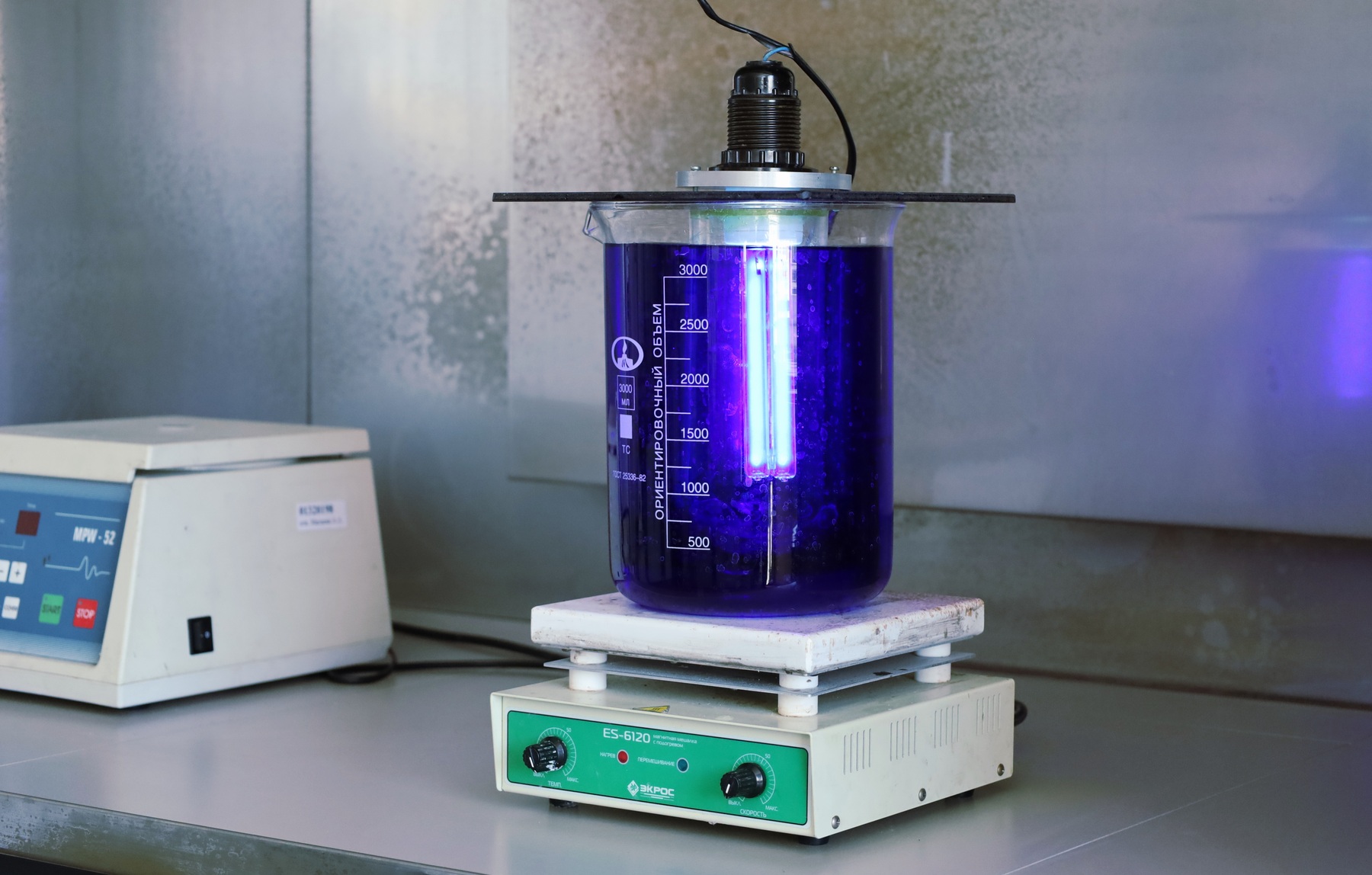
In laboratory tests, wastewater contaminated with methylene blue was treated with small amounts of the catalyst, hydrogen peroxide, and diluted oxalic acid. A UV or visible-light lamp inside a glass container was then immersed in the liquid. A magnetic stirrer was utilized to keep the catalyst particles dispersed and suspended.
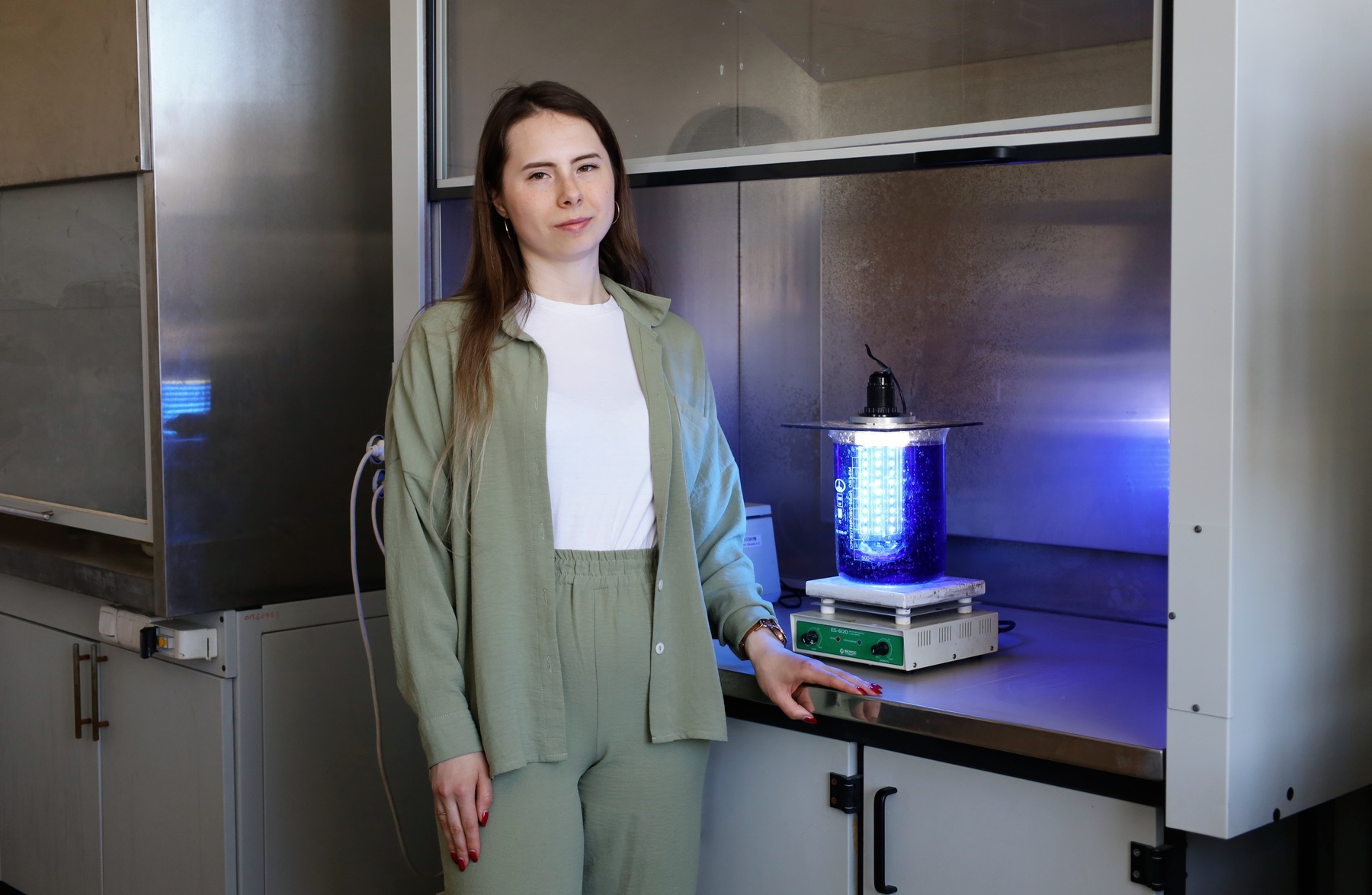
According to Tatyana Tatarinova, junior researcher at the Laboratory of Functional Ceramic Materials, the catalyst’s performance stems from the synergetic interaction between the composite and the oxidizer. Adding hydrogen peroxide initiates Fenton reaction, in which iron species on the catalyst surface promote the decomposition of hydrogen peroxide, generating highly reactive hydroxyl radicals that attack and break down dye molecules. Oxalic acid enhances the process by forming photoactive ferrioxalate complexes, while continuous cycling between ferrous and ferric iron further accelerates the photo-Fenton process compared with conventional photoactivation systems.
The new photocatalyst completely degrades methylene blue in 30 minutes under visible light and 60 minutes under UV light. The catalyst also demonstrated remarkable durability. Rather than losing activity after repeated use, the material appears to undergo a self-regeneration process in which iron redistributes across the composite surface, creating new active sites and maintaining photocatalytic performance over multiple cycles. The researchers are now focused on scaling up the technology and designing a continuous-flow treatment system suitable for industrial wastewater applications.
© TSC SB RAS Press Service

