Innovative radiant tubes for chemical process equipment developed at TSC SB RAS
Under an industrial partnership agreement, scientists at Tomsk Scientific Center SB RAS have developed a new technological process and built chemical process equipment that features a heating system with filtration combustion tube burners on board. Burning fuel within a specially engineered porous material housed inside the radiant tube addresses a number of challenges: improving thermal efficiency, utilizing low-calorific industrial gases as fuel, minimizing harmful emissions, and delivering the high heat fluxes required for energy-intensive chemical reactions.
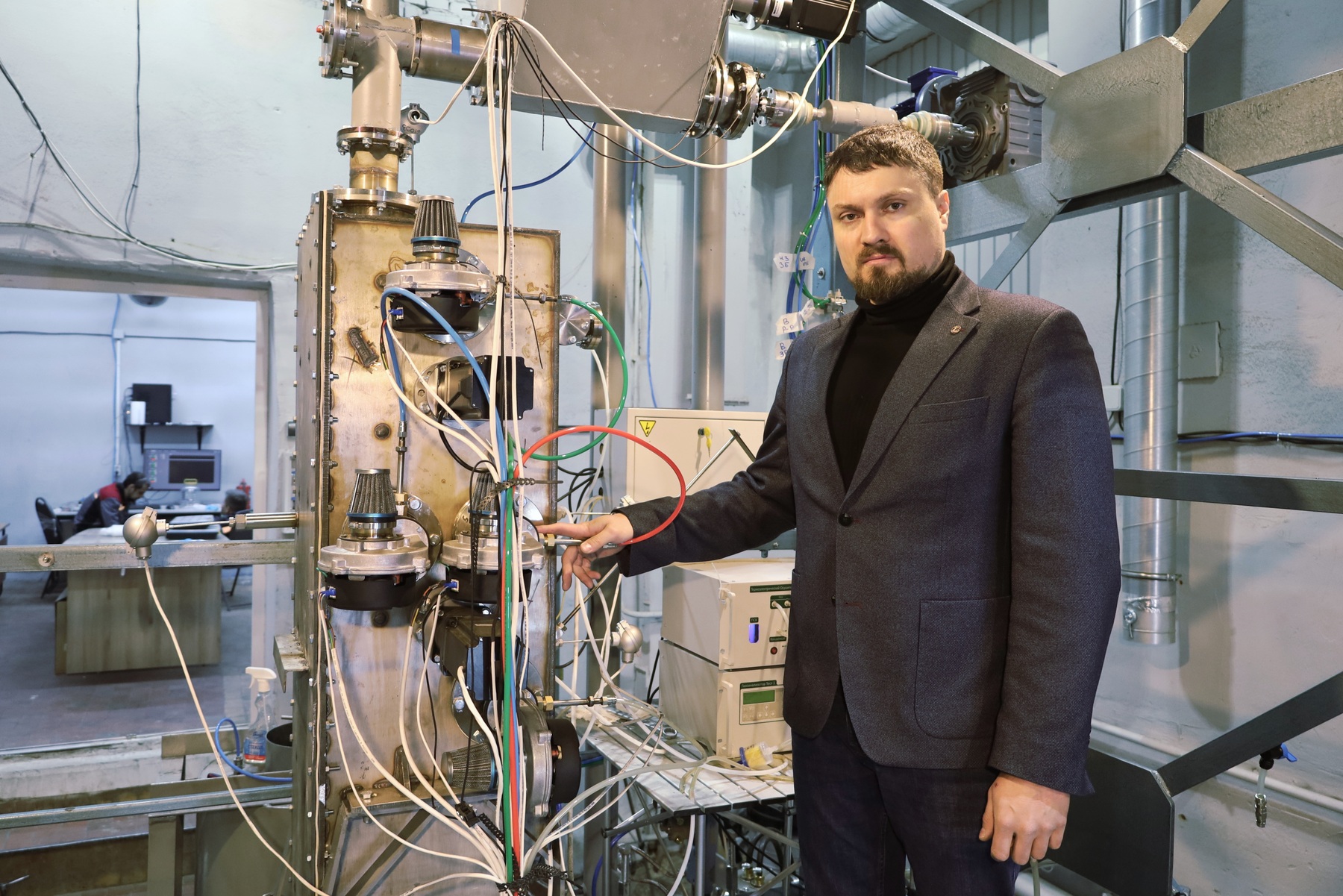
– For the past 25 years, we, at Tomsk Scientific Center, have been studying filtration combustion processes and developing burner devices based on this method. We provide the full cycle of work end-to-end, as expected from scientists today – from laboratory experiments and numerical simulations to prototype and pilot line equipment, process optimization, and eventually transfer of technology to customers for industrial-scale implementation. TSC SB RAS has everything necessary for R&D: a motivated team of researchers and specialists, support from management, and the required facilities, infrastructure, and equipment, – says Doctor of Technical Sciences Anatoly Maznoy, deputy director for research at TSC SB RAS and head of the Laboratory of Technological Combustion.
Radiant tubes – also known as infrared tubes – are widely used in industrial applications, but conventional designs can be bulky and inefficient, particularly in small-scale chemical processing systems. Researchers at TSC SB RAS redesigned the concept by filling the tubes with a porous medium that supports controlled combustion. As a result, tubes less than one meter long can transfer up to 90% of the energy released during fuel combustion directly into the target process. Combustion products go straight into a flue, minimizing the risk of contamination of the gaseous environment used in the chemical process.
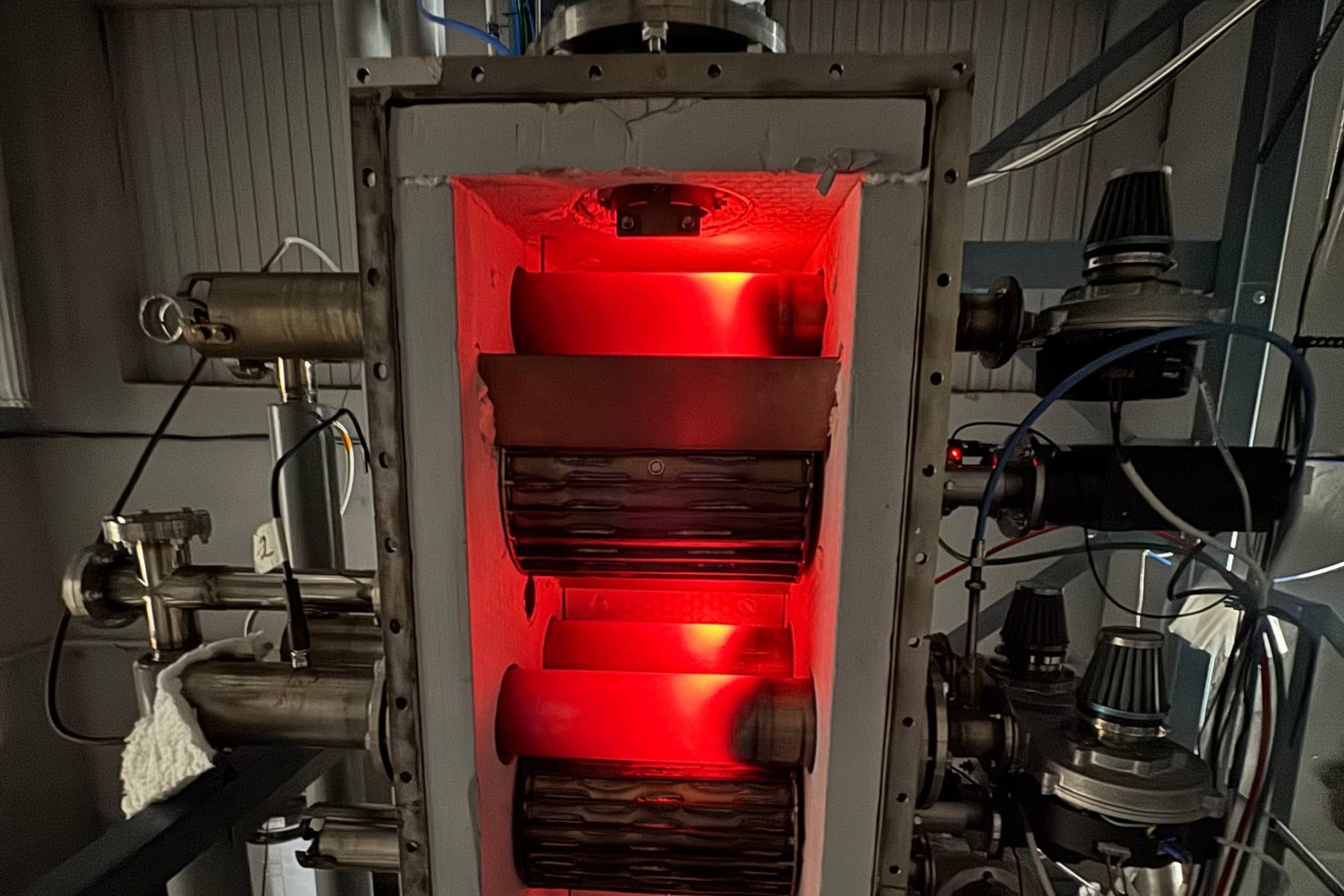
Research showed that the new tubes nearly halved the energy consumption required for the process. They can also operate on lean gases – industrial byproducts that chemical plants are producing hand over fist. The project has already attracted commercial interest. A major private-sector company has become the first customer for the technology, looking to introduce energy-efficient and environmentally friendly solutions into future products.
The scientist emphasized the role the Tomsk regional administration plays in coordinating projects of such kind and pointed out the unique atmosphere of cooperation within the Big University, which helps participants discover new avenues for the development of their projects and bring them to a new level.
– Today, collaboration is not an option – it is a necessity. This project would have been impossible without joining forces with a team of scientists from Tomsk Polytechnic University led by Candidate of Technical Sciences Kirill Larionov, Assistant Professor at the School of Energy and Power Engineering. By working together, we can address the technological needs of our industrial partners more efficiently, – noted Anatoly Maznoy.
The pilot installation has been assembled at the TSC technopark. Standing six meters tall with a footprint roughly the size of a small kitchen (2 by 3 meters), the highly automated facility can be adapted to test a variety of chemical-processing processes across various industrial sectors.
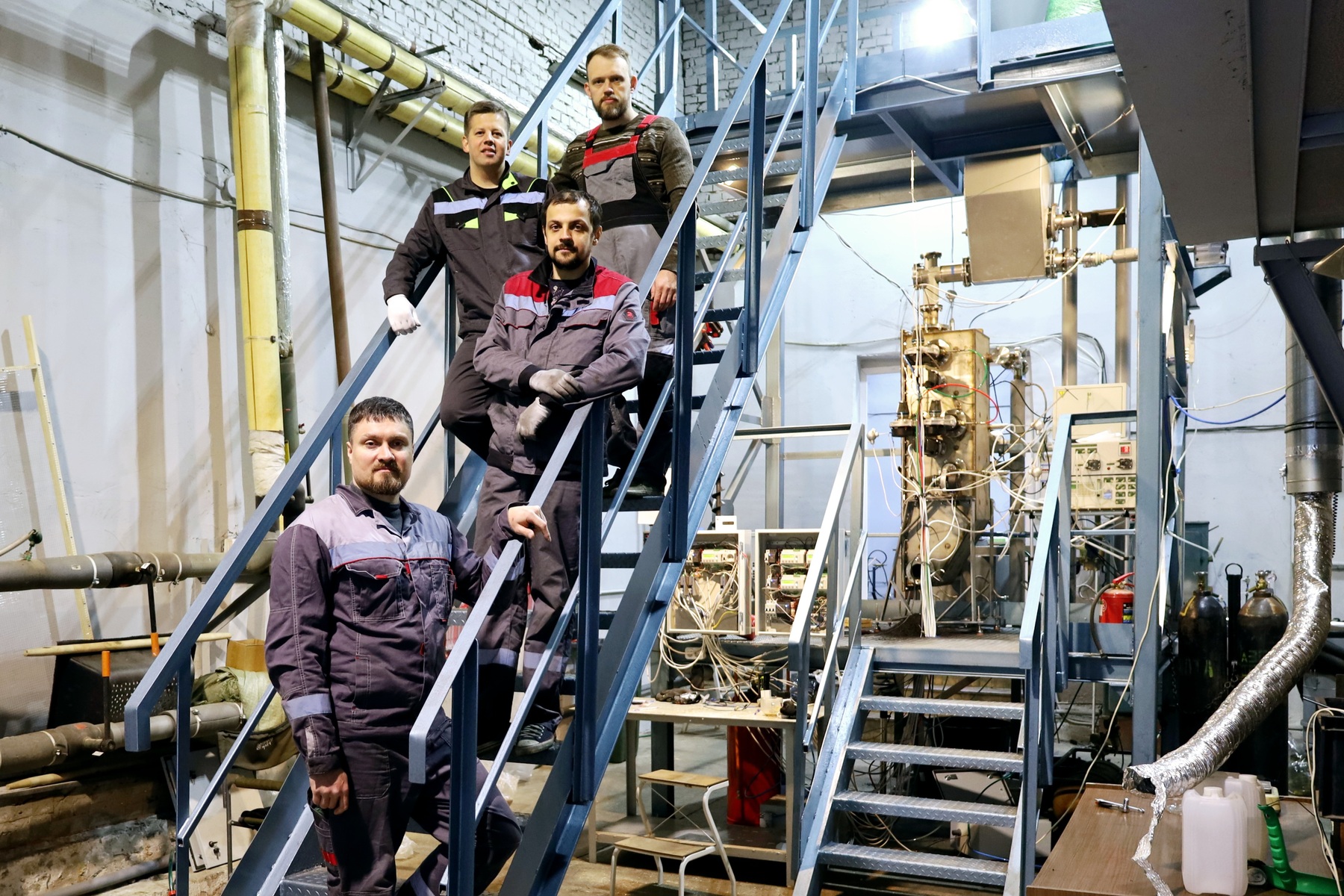
The assembled installation is located at the TSC SB RAS Technopark. Its dimensions are impressive: six meters high – about the height of a two-story house – and three meters by two meters in length and width, roughly the size of a small kitchen. The installation is highly automated and can be upgraded to test a variety of chemical-technological processes for a wide range of customers.
© TSC SB RAS Press Service

